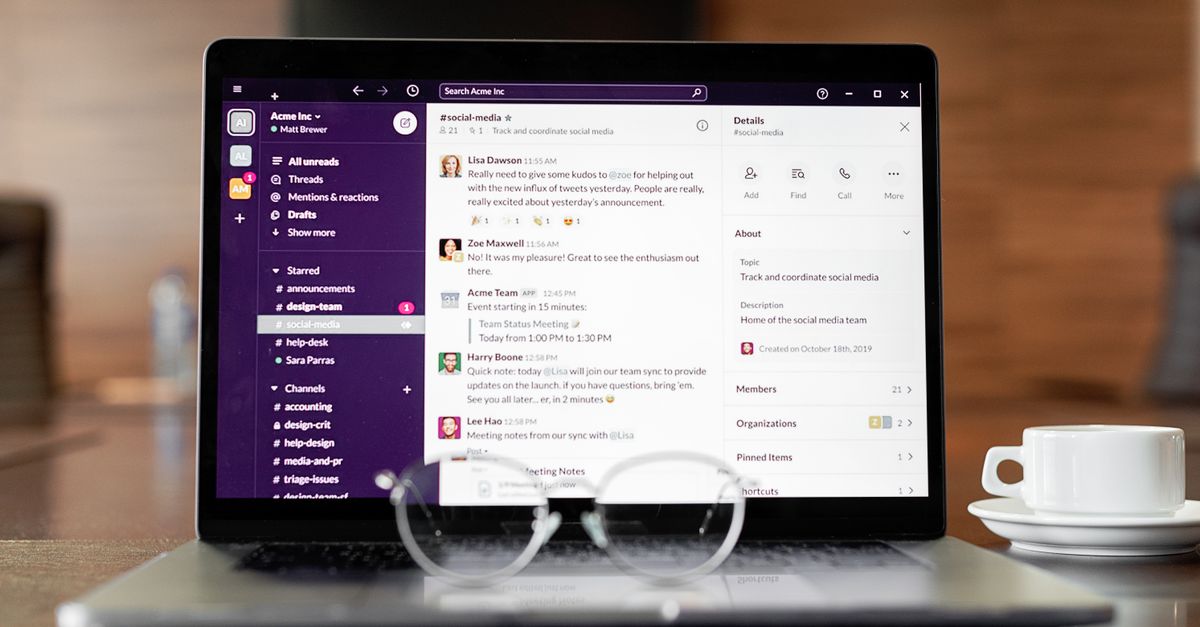
A 2024 Gallup meta-analysis found peer recognition drives 2.7 times higher engagement for technical roles, yet the median team kudos bot is abandoned in just 11.3 months. When a distributed team's Slack recognition channel devolves into an empty room punctuated only by automated birthday pings, the breakdown stems from a flawed delivery system rather than an absence of genuine appreciation. At GroupGreeting, we see remote teams repeatedly struggle when forced daily pings and gamified leaderboards replace intentional acknowledgment. Shifting away from bot-driven channels toward a weekly, asynchronous recognition ritual rooted in observable actions preserves visibility and camaraderie without clogging up discussion feeds.
The invisible work problem in remote teams
In a traditional office, good work gets noticed by accident. You hear a support specialist calmly de-escalate an upset customer across the bay, or you spot a teammate staying late to help unblock a release deadline. Nobody schedules time to observe those contributions because physical proximity handles the monitoring automatically.
Distributed teams strip that background awareness away. High-impact contributions still happen continuously, but they take place inside private direct messages, closed Jira tickets, and GitHub pull requests that only two people will ever read. The work remains excellent, yet it stays invisible to everyone else on the team.
According to research from Propsly, proximity bias creates a silent inequality where remote and hybrid employees fade into the background unless they actively self-promote. Because visibility functions as an unevenly distributed skill, quiet operators who simply do their jobs often go unnoticed. A 2024 Gallup study of frontline and distributed workers showed that only 22 percent feel valued by their employer. When employees feel invisible, disengagement quickly follows.
Data from Deloitte shows that companies maintaining strong cultures of peer recognition experience up to 31 percent lower voluntary turnover. For teams working across distributed locations, spontaneous verbal praise is rarely an option. Building recognition into an intentional habit is the only way distributed teams can keep quiet contributors from slipping away. As a remote company operating since our earliest days, GroupGreeting was built around the understanding that intentional appreciation requires zero physical presence to be meaningful.
Why automated kudos channels die by month nine
Every operations leader recognizes the classic lifecycle of an internal recognition channel. In months one through three, leadership champions the new tool, driving roughly 60 percent voluntary participation. By months four through six, momentum slows until only ten to fifteen vocal people contribute. From months seven through nine, team members mute the channel notifications, and by month ten, the feed contains almost nothing except automated bot announcements.
According to a Harvard Business Review study of 40 engineering organizations cited by PanDev Metrics, the median peer recognition software program is abandoned within 11.3 months. This failure follows three consistent structural traps.
Generic praise carries no weight
Praise like "thanks for being awesome" or "great job this week" adds zero informational value to a channel. It reads like a polite obligation rather than genuine acknowledgment.
When a teammate receives a blanket compliment, they have no idea which specific behavior created value. Without concrete details, praise loses its emotional weight. Over time, team members begin scrolling past vague compliments because the messages read like generic corporate noise.
The gamification backfire
Many dedicated recognition platforms attempt to solve adoption problems by turning appreciation into a video game. They attach digital reward points, leaderboards, and redeemable company swag to every message.
Technical teams and senior operators routinely reject these systems. Engineers and individual contributors frequently interpret point tallies and public scoreboards as patronizing distractions from their core responsibilities. Once people suspect that colleagues are trading points to climb a company leaderboard, the social credibility of the entire channel collapses.
Management hijacking
A peer recognition channel dies the moment leaders use it as a top-down megaphone. When managers begin posting operational compliance reminders disguised as praise, team members withdraw.
Shoutouts such as "kudos to the frontend group for hitting our quarterly sprint quota" turn a peer-to-peer forum into a corporate performance review. Employees stop contributing because the channel feels like an audience chamber for executives rather than an honest space to thank their peers.

Setting up an async gratitude ritual that lasts
Fixing a silent kudos channel does not require buying another software seat or mandating daily participation. Spontaneous daily interruptions interrupt concentration and contribute to alert fatigue. Replacing constant daily noise with an intentional weekly ritual creates a sustainable pattern your team can maintain indefinitely.
Here is the straightforward framework for establishing that rhythm:
- Archive the abandoned channel: Shut down the old channel instead of trying to revive it under the same name. Rebranding the space to something simple like
#winsor#shoutoutsresets team expectations without past baggage. - Set clear contribution criteria: Publish clear documentation showing the types of unglamorous contributions the team values.
- Define a dedicated weekly timebox: Choose a specific 24-hour asynchronous window, such as Thursday afternoon through Friday morning, for team members to share their feedback.
- Protect peer ownership: Keep managers focused on highlighting quiet backend work rather than broadcasting corporate announcements.
For organizations looking to implement this rhythm smoothly, our guide on how to start a Friday gratitude ritual without adding a meeting walks through setting up the asynchronous cadence.
Define what recognition-worthy means
Do not tell your team to simply "praise good work." Ambiguity leads directly back to empty platitudes. Give the group concrete boundaries for what deserves public recognition.
Celebrate the work that usually escapes company-wide attention. Documenting undocumented legacy code, stepping in to handle an on-call rotation for an exhausted peer, and spending an hour unblocking a junior designer are excellent reasons for a shoutout. When people know exactly what counts, they identify meaningful contributions quickly.
Set a weekly async rhythm
Daily recognition pings scatter attention and break deep work cycles. When a message interrupts an engineer mid-build or an analyst running numbers, it creates friction.
Establish a protected, once-a-week window. An asynchronous prompt sent every Thursday at 2:00 PM gives team members across multiple time zones ample time to log their thoughts. Teammates in London, New York, and Tokyo can post without feeling pressured to reply on the spot.
Anchor the ritual in specific behaviors
Specific observations make praise stick. A functional shoutout names the exact action, the person who did it, and the positive impact on the team or project.
Instead of writing "Thanks Alex for your hard work," train the team to write: "Thanks Alex for rewriting our deployment documentation on Wednesday. It cut onboarding setup time in half for our two new hires." Specific feedback rewards the contributor and models effective collaboration for the rest of the company.
| Factor | Daily Kudos Bots | Weekly Async Group Recognition |
|---|---|---|
| Notification Burden | Constant daily pings and distractions | One predictable weekly asynchronous window |
| Praise Depth | Quick, surface-level text snippets | Detailed context, photos, and personal notes |
| System Mechanics | Points, badges, and competitive rankings | Direct qualitative feedback focused on contributions |
| Longevity | Median abandonment in 11.3 months | Consistent participation sustained over years |
| Team Artifact | Disappears into chat history | Permanent digital card preserved as a PDF archive |
Replacing disposable pings with collective appreciation
A Slack message scrolls out of view within forty-eight hours. When someone hits a major milestone, ships a core product update, or completes a challenging multi-month project, a single Slack ping does not match the scale of the achievement.

Major accomplishments call for a lasting, collective gesture. Using Employee Appreciation Greeting Cards gives distributed teams a dedicated space to gather thoughtful notes, inside jokes, and photos into a unified card. Instead of one person sending a quick direct message, the entire group contributes without running out of room.
These shared cards solve the fundamental shortcomings of transient chat channels:
- Permanent documentation: Recipient team members receive a completed digital card and a downloadable PDF copy to keep long after the work wraps up.
- Global coordination: Coworkers across 195 countries can review the link, leave personal notes on their own schedule, and include custom imagery without logistical hurdles.
- Zero administrative drag: Organizers create an online card in 60 seconds, pass the link around via Slack or email, and schedule the delivery time down to the minute.
For quarterly celebrations or major project milestones, transitioning your team to Group Cards for Remote Teams provides a lasting token of recognition that chat logs cannot duplicate.
Warning signs of deeper organizational issues
An asynchronous ritual fixes delivery friction, but it cannot solve systemic management failures. If your gratitude channel remains silent despite a clear structure, evaluate your company culture for these underlying problems:
- Praise moves in only one direction: If managers generate all the praise while peers never participate, trust between teammates is missing.
- Recognition replaces compensation: When leadership hands out kudos cards instead of addressing market-rate pay or chronic overwork, employees view praise as manipulative.
- Favoritism shapes the channel: If the same small circle of extroverted individuals receives every public mention, quieter operators will disconnect completely.
- Public shaming by omission: When managers shower certain team members with praise to send a passive-aggressive signal to underperforming peers, the channel becomes toxic.
Fixing these issues requires direct leadership accountability and honest operational adjustments. Recognition should always validate real effort, never compensate for cultural deficits.
Keeping the async habit alive
Preventing channel stagnation comes down to maintaining a steady balance. Leadership must model thoughtful participation without dominating the space.
Managers should deliberately focus on unglamorous backend tasks. When an engineering director praises someone for cleaning up database migrations, they demonstrate that quiet maintenance matters just as much as a flashy product release. Rotate the team member responsible for launching the weekly prompt to prevent the routine from feeling like an HR chore.
Ditch the gamified bots and empty slogans. Set up a dedicated, weekly asynchronous appreciation habit with your distributed team, and explore GroupGreeting to build lasting appreciation that keeps everyone connected.