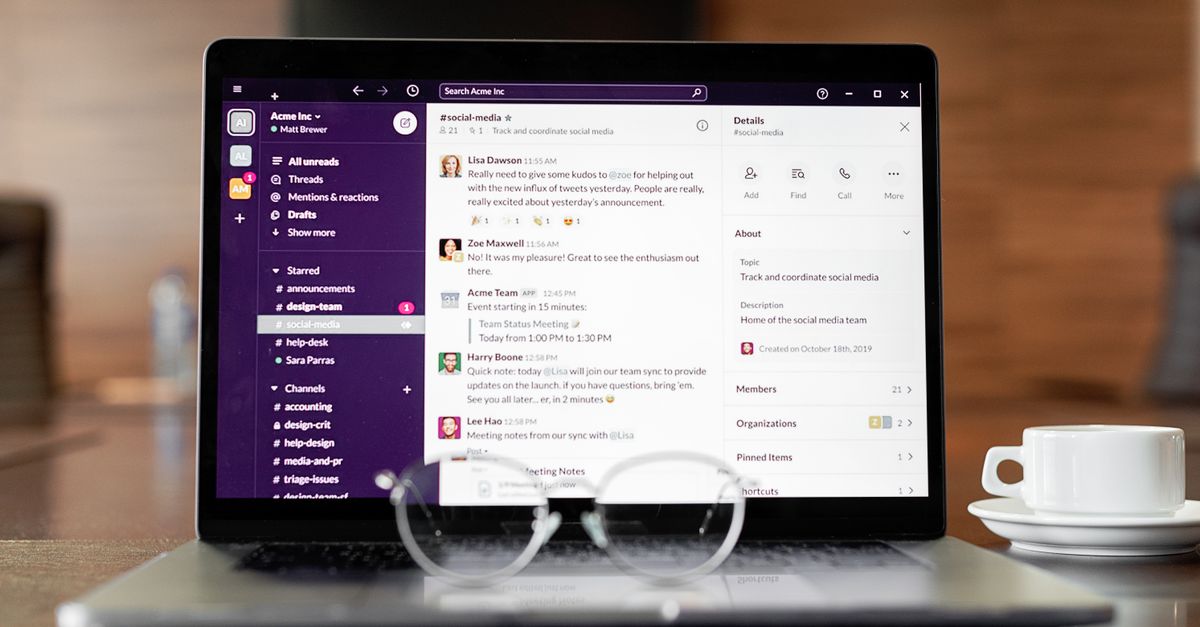
A 2025 Gallup study cited by Workhuman found that only 31% of remote employees feel engaged at work, while 27% report feeling lonely. Fixing that disconnect across dispersed teams does not require scheduling another mandatory Zoom happy hour that drains energy before the weekend. At GroupGreeting, we see distributed groups build meaningful connection by running a lightweight, asynchronous routine like Friday Lightning Praises to celebrate weekly wins without stealing calendar blocks. Setting up a single automated Slack prompt on Friday afternoons creates space for genuine peer appreciation, which you can easily expand into permanent digital group cards when someone hits a major milestone.
Most remote culture initiatives fail because they demand real-time attendance. When people spend forty hours a week on video calls, being told to show up to an awkward virtual lounge with a beverage feels like extra labor. The teams that successfully address workplace isolation build async habits instead.
In 2023, health tech company Alan documented how simple text-based recognition transformed their distributed culture. As detailed by Thomas Rolf, shifting appreciation into rapid Slack bursts removed the performative pressure of video calls while giving everyone visibility. At GroupGreeting, our mission is to help people share appreciation one card at a time, and that habit works best when the barrier to entry is practically zero.
If you have watched your open praise channels turn quiet over time, you are not alone. As explored in our guide on why your Slack #kudos channel died (and the Friday ritual that fixes it), open-ended recognition spaces fizzle out without a tight trigger, clear constraints, and deliberate timing.
The mechanics of the async shoutout on GroupGreeting and chat apps
To get a weekly appreciation habit off the ground, remove manual management from the process entirely. The setup requires three moving parts:
- Tool: Your existing team chat application, such as Slack or Microsoft Teams.
- Timing: Late Friday afternoon, specifically between 2:00 PM and 3:30 PM in your primary hub time zone.
- Trigger: A single recurring automated bot message posted directly into a public channel.
Relying on a team lead or People Ops manager to manually post every Friday afternoon guarantees the ritual will fail. Deadlines slip, people take sick days, and urgent fires pull attention away. Automating the prompt means the tap on the shoulder arrives regardless of what is happening on your calendar.
Timing the prompt
The exact hour of the prompt dictates whether people participate or ignore it. If you send an appreciation ping on Tuesday morning, it drowns beneath urgent sprint tasks and incoming tickets. If you send it after 5:00 PM on Friday, people have already closed their laptops for the weekend.
Target mid-afternoon on Friday, ideally around 3:00 PM. By that hour, deep work has usually wound down, but employees are still checking messages before signing off. The ping creates an intentional pause, giving people a clean mental boundary between the work week and the weekend.
This transition gives people permission to shift out of delivery mode. Instead of sprinting to the deadline and closing the laptop in a state of exhaustion, team members pause to reflect. That small pause turns the end of the week into a conscious close.
Picking the channel
Do not create an isolated, company-wide channel for this routine right away. Broad channels with hundreds of silent observers create performance anxiety, causing employees to hesitate before posting.
Start the ritual inside specific functional groups or pods of fewer than 20 people. In a team of 10 to 15 peers, individuals witness each other's day-to-day contributions firsthand. A dedicated team channel like #eng-team or #growth-marketing provides psychological safety, keeping the conversation intimate and honest.
When groups stay compact, the signal-to-noise ratio remains high. People read every comment because each note references work they actually understand. Once the habit takes root in smaller pods, other teams across the company will naturally ask to copy the format.

Setting the ground rules for meaningful praise in digital teams
A recognition ritual dies the moment it starts feeling like corporate homework. If employees feel pressured to write three-paragraph essays, participation evaporates within two weeks.
The solution is strict simplicity. Keep the prompt straightforward: "Reminder: Shout out a teammate who made your week better!" This phrase, documented in a Slack culture analysis by Albie Maire, invites people to reflect on personal assistance rather than abstract company goals.
The one-line constraint
Enforce a strict one-sentence rule for weekly contributions. A single sentence lowers the barrier to typing a response, turning what could feel like a writing chore into a thirty-second action.
When praise is short, it moves quickly. A wave of quick, punchy comments turns an otherwise quiet Friday afternoon thread into an energetic roll of gratitude. Colleagues chime in with emoji reactions, add quick replies, and validate each other in minutes.
The brevity also protects readers. Nobody has to wade through walls of corporate buzzwords to see who helped whom. Everyone gets a rapid snapshot of teamwork in action.
Tying praise to real work
Generic compliments erode the value of praise. When someone writes "great job everyone," nobody feels genuinely seen. Meaningful recognition calls out the specific, often invisible effort that helped someone through their day.
| Praise Focus | Generic Example | Grounded Example |
|---|---|---|
| Engineering & Systems | "Raj is awesome." | "Props to Raj for catching that production bug before it hit devops." |
| Operational Cleanup | "Thanks Tanya for being helpful." | "Big thanks to Tanya for untangling that Salesforce mess before the client call." |
| Day-to-Day Support | "Great week, thanks everyone." | "Jenny, your quick run-through of the Figma layout saved me two hours this morning." |
| Cross-Functional Help | "Thanks to the design team!" | "Marcus rebuilt our deck slides in twenty minutes so we could hit the deadline." |
Specific comments tell the recipient that their effort was noticed. They also reveal quiet contributions to managers that otherwise go unnoticed in status reports.
When team members see concrete behaviors being celebrated, they repeat those behaviors. Recognition acts as a mirror for team values, demonstrating what helpfulness looks like in everyday practice.

Scaling small wins into lasting recognition with GroupGreeting
A weekly Slack thread works wonderfully for tactical, day-to-day appreciation. But treating every achievement the same way can dilute impact over time. Teams need a clear dividing line between a routine weekly high-five and a genuine milestone.
Routine wins belong in chat threads. When an engineer unblocks a merge request, or a designer shares fresh assets early, a single line in Slack is the right medium. It is fast, public, and fits the scale of the task.
Major occasions demand permanence. When an employee marks a five-year anniversary, wraps up a twelve-month product release, or prepares for parental leave, a fleeting Slack message gets buried by Monday morning. These moments call for intentional celebration that preserves team sentiment permanently.
For these occasions, you can upgrade the shoutout into group cards for remote teams. A physical card passed around an office simply does not work for distributed organizations, and standard ecards often cap the number of signers or restrict formatting. GroupGreeting solves this by supporting unlimited signers and unlimited pages, letting global colleagues add heartfelt messages, GIFs, and photos without running out of room.
When you need to recognize sustained excellence or dedicated project execution, an employee appreciation card for positivity and hard work creates a lasting keepsake. Because GroupGreeting cards convert into downloadable PDFs upon delivery, the recipient keeps a tangible record of their team's gratitude long after the project closes.
Gathering signatures across time zones becomes simple when anyone can access the card link at their convenience. Schedulers can set automated delivery dates down to the exact minute, ensuring the card lands in the recipient's inbox at the perfect celebratory moment, regardless of where the team lives.

Putting your Friday ritual into practice this week
Building this habit requires no budget approvals, no software licenses, and zero added meetings. The entire process takes less than five minutes of initial setup.
- Open your chat application and head to your team's everyday discussion channel.
- Set a recurring bot reminder for Friday at 3:00 PM with the text: "Reminder: Shout out a teammate who made your week better!"
- Model the behavior yourself during the first two weeks by posting a specific, one-line thank you directly in the thread.
- When a teammate reaches a major milestone—like a multi-year anniversary or big departure—switch to a collaborative digital card so everyone can contribute.
Small, consistent habits change team culture far more effectively than forced social hours. Visit GroupGreeting to explore collaborative digital cards for your team's upcoming milestones, set up your Friday reminder today, and give your remote colleagues a genuine reason to end their week on a high note.