Small remote teams rarely miss work anniversaries out of apathy, yet an employee's three-year milestone still ends up as a single cake emoji dropped into Slack at 4 PM because no single person owns the date. A 2024 analysis by Workhuman and Gallup estimated that strategic recognition can prevent up to 45% of voluntary departures, making that late-afternoon scramble an expensive habit (TeamRally). Replacing ad-hoc chat messages with a 7-day countdown workflow powered by GroupGreeting takes a 60-second setup timeframe and turns the office manager or ops lead into the person who keeps distributed culture intact. Assign one owner a week ahead, launch a collaborative digital card, and pair specific peer memories with milestone-scaled rewards.
Why small remote teams keep missing work anniversaries
In a 20-person remote startup, informal office cues vanish. Nobody walks past a wall calendar in the kitchen or spots a stack of greeting cards on a reception desk. When a digital group card platform like GroupGreeting is missing from the stack, responsibility fractures across calendars and chat tools.
According to Huggg's remote work anniversary research, missed milestones in distributed teams almost always trace back to four ownership traps:
- Your HRIS fires an automated alert into a shared People inbox where payroll questions bury it.
- The recurring calendar reminder sits on an account owned by someone who left the company six months ago.
- The line manager assumes operations has the date covered, while operations assumes the manager is handling it.
- Someone notices the date at 3:45 PM, panics, and posts a generic two-line Slack message that reads like an obligation.
Work anniversaries carry heavier retention weight than birthdays. A birthday message tells a coworker that the team likes them, while a work anniversary tells them that their specific output mattered (TeamRally). In a remote environment where late nights and quiet problem-solving go unseen by default, that distinction decides whether people feel invisible.
Recent workforce data backs up the stakes. Snappy's 2025 Workforce Study found that 67% of employees say an annual anniversary gift encourages them to stay in their role, and 40% say appreciation from their direct manager is the most meaningful form of recognition (Snappy). WorkTango's analysis of 33,416 employee survey responses across 20 organizations similarly found that employees who actively participate in recognition programs stay 2.8 years longer on average (WorkTango).
Relying on one person's memory creates uneven recognition across a growing team. Loud personalities get a thread full of GIFs, while quiet engineers get two thumbs-up reactions. You can see how replacing manual tracking changes that dynamic in our breakdown of how automating workplace milestones fixes uneven recognition.
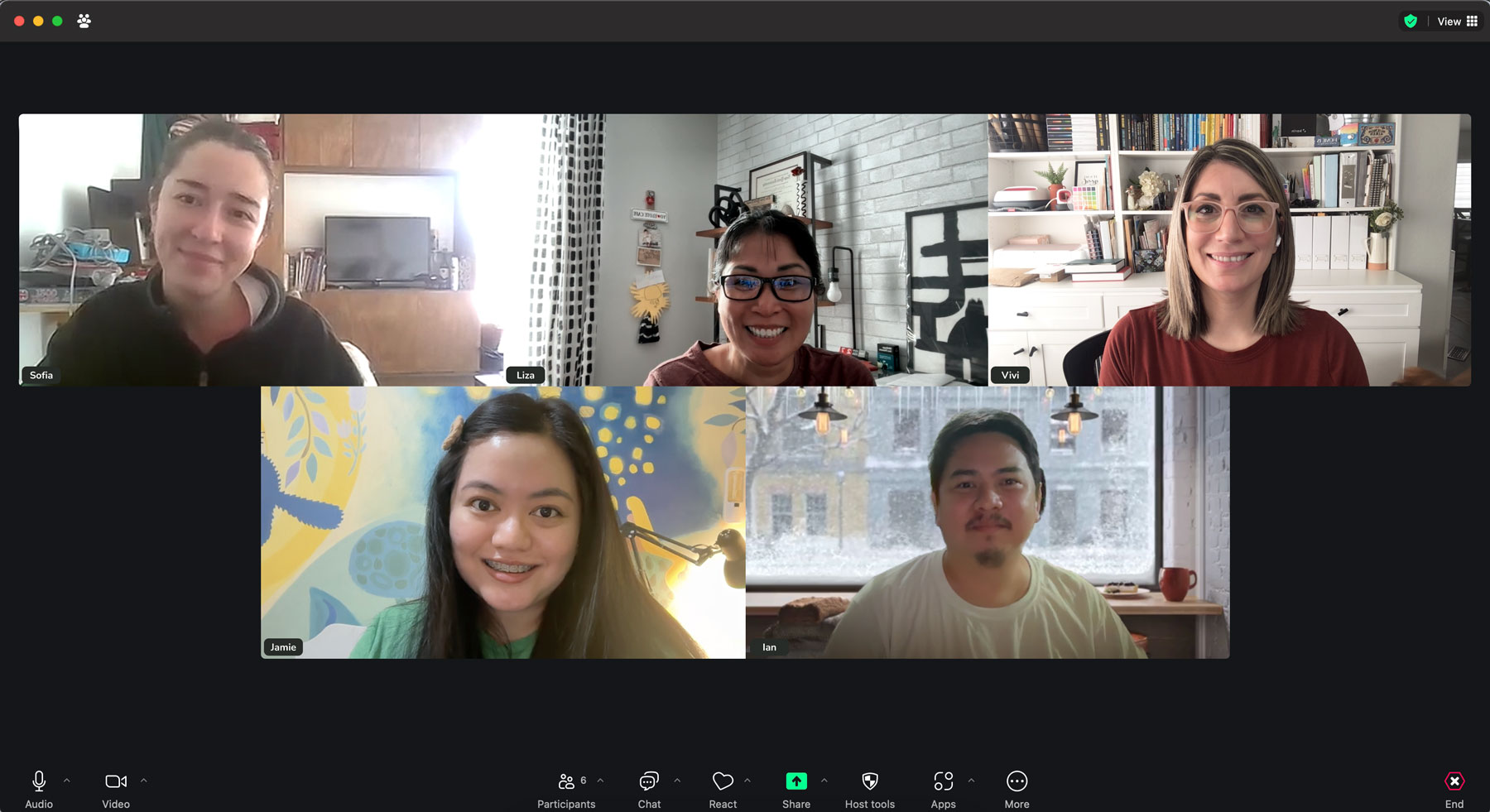
The 7-day countdown workflow that takes 60 seconds to launch
Fixing the 4 PM panic does not require an enterprise HR suite or a three-hour committee meeting. Using GroupGreeting's digital group card services, a single coordinator can run a repeatable seven-day schedule that collects thoughtful notes from every corner of the company. Over 25,000 workplaces trust GroupGreeting for these moments, with over 5 million cards sent worldwide.
The operational shift rests on GroupGreeting's core mission: making it easy for people to share appreciation, one person and one card at a time (About GroupGreeting). Instead of hunting down mailing addresses or passing a physical folder across time zones, the coordinator runs a three-step cadence over seven days.
Day 7 before the anniversary: locking in ownership and the 60-second card setup
Seven days before the anniversary date, an automated reminder lands in the designated owner's inbox. Setting up automated birthday and work anniversary reminders inside GroupGreeting guarantees that dates never depend on someone remembering to check a spreadsheet.
The coordinator opens GroupGreeting, picks an artist-designed template, and creates the card in 60 seconds. A GroupGreeting card lets multiple coworkers sign simultaneously from any device, so there is no bottleneck while waiting for one department to finish. Once the card exists, the coordinator copies the unique signing URL and drops it into a dedicated team channel or emails it directly to colleagues.
Days 5 to 2: avoiding the generic "Happy Anniversary!" trap with a specific prompt
Launching the card early solves the timing problem, but it exposes a second issue: the bystander effect. Nobody wants to be the first person to sign, and latecomers often default to a lazy "Congrats on three years!" because they feel rushed.
To get past that stall, use the "chorus of specifics" prompt recommended by Daytely. Ask every teammate to share one concrete memory, a project the person unblocked, or a habit they appreciate. When the coordinator signs first with a real example, everyone else follows that standard. For teams struggling with low participation, we documented practical fixes in solving the large group card stall: what actually works.
Multimedia additions also turn a quick note into something worth saving. Signers can upload custom photos sized at 440px wide by 550px tall, or drop in animated GIFs of 50 frames or less. Because every signer opens the link without needing a complicated login, even less technical teammates finish in seconds, as shown in how non-tech-savvy signers finish a GroupGreeting card in three clicks and coordinating a multimedia work anniversary card without the chaos.
Anniversary morning: scheduled delivery and the public moment
On the morning of the anniversary, the card delivers electronically to the recipient's inbox. The coordinator receives real-time notifications tracking who has signed and when the recipient opens the card, removing all guesswork.
At 9:30 AM in the recipient's local time zone, the line manager posts a short public shout-out in the company's main chat channel. One important caveat from Daytely applies here: skip forced speeches on video calls, jokes about age or tenure, and loud public spotlights for introverted teammates who dislike being put on stage. Let the group card carry the emotional weight privately, and keep the public chat post brief and sincere.

Scaling the celebration by milestone year so Year 5 doesn't look like Year 1
Treating a five-year anniversary the same way as a first-year milestone sends the wrong signal to your longest-tenured people. Small teams do not need huge budgets to differentiate these moments, just a clear tier system built around a GroupGreeting digital card. Adapting TeamRally's milestone framework alongside low-cost traditions from Daytely and BirthdayBot gives every year its own weight.
| Milestone Tier | Core Recognition Signal | GroupGreeting Card & Prompt | Paired Tradition or Perk |
|---|---|---|---|
| Year 1 | Validates the hiring decision and early wins | Team card asking for one specific project win from year one | Virtual coffee break or protected focus afternoon |
| Year 3 | Honors the startup survival bet and loyalty | Multimedia card with 440x550px team photos and inside jokes | Modest gift budget or charitable donation of their choice |
| Year 5+ | Celebrates institutional memory and leadership | Long-form tribute card plus a private 1-to-1 manager card | All-hands recognition slot and virtual team lunch |
Year 1: validating the hire with specific wins
The first anniversary proves that the team noticed what the new hire built over twelve months. Pair a card from our collection of online work anniversary group cards like Thanks for Growing with Us with a prompt asking peers to name one problem the employee solved.
For a low-cost personal touch, send Wishing You a Latte Love alongside an optional 20-minute virtual coffee break (BirthdayBot). You can also grant a protected half-day of focus time with zero meetings so they get real breathing room (Daytely).
Year 3: honoring the startup survival bet
Three years at a small remote company represents multiple product pivots, late nights, and heavy growth. Recognition at year three needs to acknowledge that bet directly.
Choose a classic design like Happy Work Anniversary and encourage teammates to add custom screenshots from memorable launches alongside their notes. Pair the card with a set gift budget or a donation to a cause the employee selects (TeamRally).
Year 5 and up: manager-led retrospectives and company-wide visibility
Five-year milestones require planning at least two weeks out. Select a standout design like Congratulations On An Incredible Milestone and invite former teammates or cross-functional partners to sign alongside current staff.
Because GroupGreeting group cards are shared spaces without private messages, managers who want to write a deeper personal letter should send a separate note using 1 to 1 Work Anniversary Cards. Many operations leads use the exact same workflow to consolidate annual birthdays too, pulling from group birthday card designs and 1 to 1 personal birthday cards so every celebration lives in one place.

The measurable difference in practice and how to set up your next 12 months today
When a 20-person remote team moves from frantic Slack threads to a structured GroupGreeting workflow, the operational friction disappears. Coordinators spend 60 seconds setting up a card instead of chasing signatures across three time zones or calculating international postage. Because the service is purely digital, cards deliver electronically to remote teammates anywhere in the world, backed by a platform that has sent over 90 million messages of appreciation across 195 countries (GroupGreeting FAQ).
For the recipient, the difference is tangible. Instead of watching a congratulatory Slack thread scroll off the screen by lunchtime, they receive a permanent digital keepsake they can save as a PDF copy. Reading twenty specific stories from colleagues alongside custom photos and animated GIFs gives remote workers real proof that their contributions stuck.
Cost stays predictable as your headcount grows. Individual cards cost $4.99 USD plus tax, making it easy to test the workflow for your next upcoming anniversary without procurement approvals. Once your team is ready to standardize the process, company plans on GroupGreeting Pricing let you upload your company logo, assign multiple coordinators, and create online group cards in bulk for the entire quarter. You can also find additional ideas for distributed teams and virtual celebrations on the GroupGreeting Press page.
In a 15-to-25-person company, the line manager or operations lead should own the calendar, not an unmonitored shared inbox. Take five minutes today to load your team's upcoming anniversary dates into GroupGreeting, browse the artist-designed collection of online work anniversary group cards, and review GroupGreeting Pricing to set up your next twelve months of milestones before the next 4 PM panic hits.